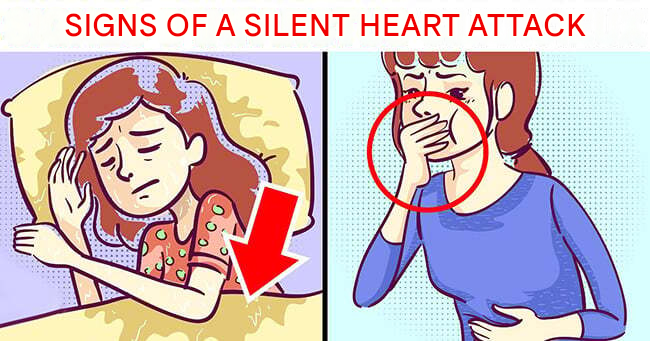
Silent heart attacks are usually caused by atherosclerosis, where cholesterol plaques build up in the coronary arteries, reducing blood flow to the heart. Risk factors include smoking, a high-salt diet, stress, type 2 diabetes, a family history of heart disease, preeclampsia, and factors related to age and sex.
Identify the signs
Persistent flu symptoms : Flu-like symptoms that last may indicate a silent heart attack.
Swelling and bloating : Fluid retention due to poor blood circulation can lead to swelling of the extremities and abdomen.
Excessive sweating : Abnormal sweating, even in cool