nitroglycerin.
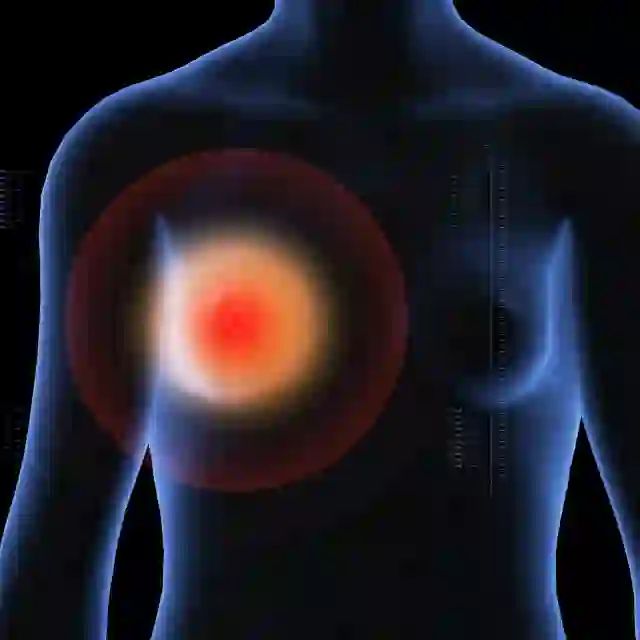
Symptoms of angina include:
ADVERTISEMENT
Chest tightness or pressure, often behind the breastbone
Pain radiating to the shoulders, arms, neck, or jaw
Shortness of breath accompanying chest discomfort
Stable angina follows a predictable pattern, while unstable angina is more severe, unpredictable, and can signal an imminent heart attack. Anyone experiencing new, worsening, or prolonged angina symptoms should seek prompt
medical evaluation, which may include stress testing, coronary angiography, and treatments like medications or revascularization procedures.
Muscle Strain
Muscle strain in the chest wall is a common cause of left